Trezor Wallet Login: A Complete 2025 Guide for Secure Crypto Access
Managing your cryptocurrencies safely starts with using a trusted hardware wallet, and Trezor Wallet remains one of the industry’s most respected solutions. Whether you’re a new user or returning investor, understanding how the Trezor Wallet login process works is essential for protecting your digital assets. This guide walks you through everything you need to know — from setup and authentication to troubleshooting and security best practices — so you can access your crypto with confidence.
What Is Trezor Wallet?
Trezor Wallet is the official interface for managing crypto assets stored on a Trezor hardware wallet such as Trezor Model One and Trezor Model T. Unlike custodial platforms, Trezor gives users complete control over their private keys, meaning you — and only you — can access your funds. The login process is intentionally designed with strong security layers, ensuring hackers cannot gain unauthorized entry even if your computer is compromised.
How Trezor Wallet Login Works
Accessing your Trezor Wallet is different from logging into a traditional online account. There are no usernames or passwords stored on the internet. Instead, your hardware device acts as your key, and your PIN + recovery seed ensure that only the rightful owner can unlock the wallet.
Here’s what happens during a standard Trezor login session:
Connect Your Trezor Device
Plug your Trezor Model One or Model T into your computer or mobile device using a USB cable.Open Trezor Suite
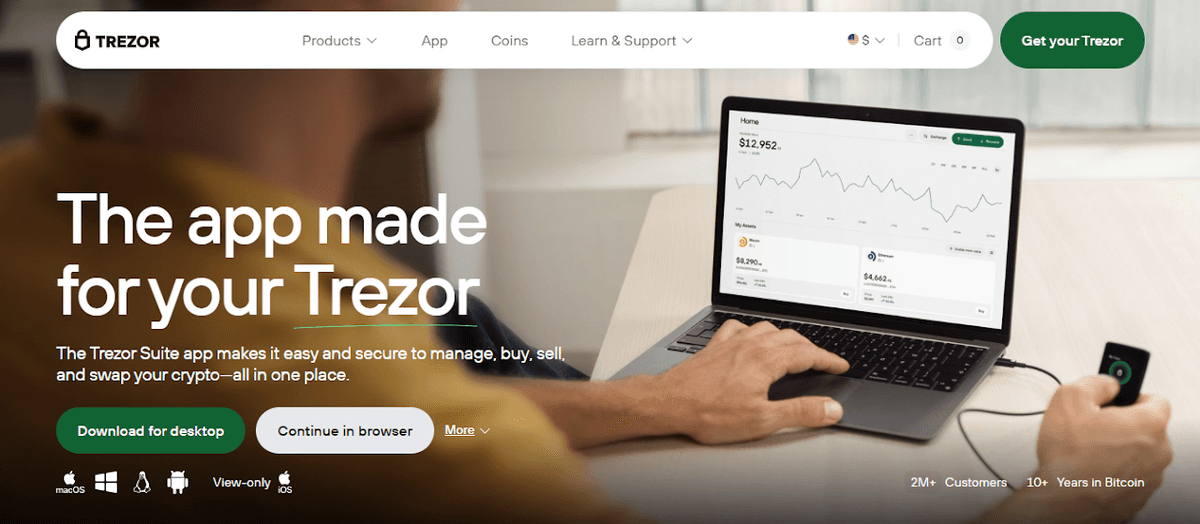
Navigate to suite.trezor.io or open the Trezor Suite desktop app. This software is the official interface for managing your wallet, checking balances, sending and receiving crypto, and updating firmware.Verify the Device Prompt
Trezor Suite will automatically detect your device and ask you to confirm access. This step ensures that your wallet is connected to the authentic Trezor software.Enter Your PIN Securely
Your device will display a randomized PIN layout. Enter the PIN on your computer according to the device’s pattern. This anti-keylogging method prevents attackers from tracking your input.Access Your Wallet Dashboard
Once verified, you’ll be redirected to the Trezor Suite dashboard, where you can see asset balances, transaction history, staking options, and security settings.
Every login session requires the physical presence of your hardware device, making remote hacking virtually impossible.
Why Trezor Login Is More Secure Than Traditional Accounts
Trezor’s login process prioritizes user protection. Here are the top reasons it stands out:
1. Hardware-Based Security
Your private keys never leave your Trezor device. Even if your computer is infected with malware, your wallet remains secure.
2. PIN Protection
A hacker cannot guess your PIN because the layout changes every time, and the device wipes itself after too many failed attempts.
3. Offline Key Storage
Since keys are generated and stored offline, phishing attacks and database breaches — common risks on online exchanges — do not affect Trezor users.
4. Recovery Seed Backup
Your 12-, 18-, or 24-word recovery seed ensures you can restore your wallet on a new device even if the original one is lost or damaged.
5. Open-Source Architecture
Trezor’s open-source firmware and software allow independent security audits, ensuring transparency and trust.
Common Login Problems and How to Fix Them
Even with its user-friendly design, you may encounter login challenges. Here’s how to solve them:
Device Not Detected
Try a different USB cable or port.
Update Trezor Suite to the latest version.
Restart your computer.
Incorrect PIN
Double-check the PIN layout on your device.
If you repeatedly enter the wrong PIN, the waiting time increases for security.
After 16 attempts, the device wipes itself — use your recovery seed to restore access.
Firmware Update Required
If Suite requests a firmware update, follow the on-screen prompts. Updates improve security and performance.
Best Practices for a Safe Trezor Login
To maximize your wallet’s protection:
Never enter your recovery seed online — only into your Trezor device.
Keep your PIN long and unique.
Store your recovery seed offline, in a secure location.
Download software only from suite.trezor.io.
Avoid using public or untrusted computers.
Conclusion
The Trezor Wallet login process is designed to combine ease of use with world-class security. By requiring physical device access, PIN authentication, and offline key storage, Trezor ensures your cryptocurrencies remain safe from cyber threats. Whether you’re managing Bitcoin, Ethereum, or other digital assets, Trezor Suite provides a reliable and secure environment for accessing your funds. Following the steps and best practices in this guide will help you enjoy smooth, secure, and confident crypto management every time you log in.